1. Cabin survey
Before anything is touched, the crew looks over the interior for sharp objects, hidden pooling and personal belongings.
Santa Clarita, CA · Los Angeles County
Fleet manager, rental agent or owner in Santa Clarita facing a contaminated vehicle? Call (877) 812-4220 for biohazard vehicle cleaning, with disinfection, odor control and a final inspection.
If anyone is in danger, call 911 first. For a suicide crisis, call or text 988.
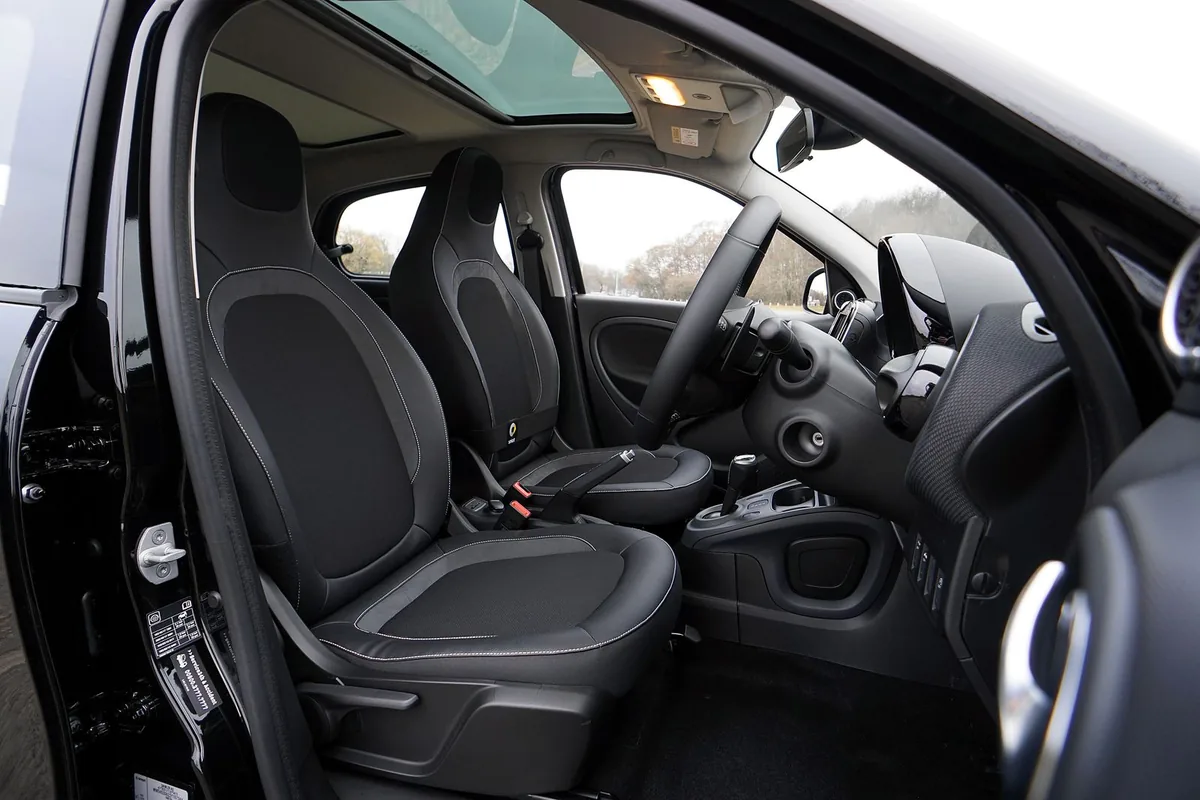
Vehicle biohazard cleanup, whether for one seat or a full cabin, follows the same pattern as work inside a building: protect, remove, disinfect, dispose and check.
Owners, adjusters, tow yards and fleet managers in Santa Clarita and Los Angeles County who need your vehicle made safe can call Santa Clarita Biohazard Cleanup Help for local vehicle biohazard cleanup.
Dry air in Santa Clarita can bake fluids into seats and carpet, so the smell may persist even when the vehicle looks clean. If you were exposed to blood in a vehicle, Lac/olive View-ucla Medical Center in Sylmar is the closest emergency room to ask about testing and next steps.
What vehicle biohazard cleanup covers:
Before anything is touched, the crew looks over the interior for sharp objects, hidden pooling and personal belongings.
Cleaners set up protection, seal off the working area and keep people away from the vehicle.
Fluids, stained upholstery and contaminated debris are removed. Surfaces that can stay are cleaned and disinfected.
Lingering smells are treated, the waste is hauled away, and a last inspection confirms the vehicle is ready.
Expect vehicle biohazard cleanup in Santa Clarita, CA to cost roughly $500 to $5,000, with the final price set after an on-site assessment.
Vehicle type changes the price. A compact car, a full-size truck, a large van and a bus each have different amounts of interior to clean.
| Type of job | Typical range |
|---|---|
| Vehicle biohazard cleanup | $500 - $5,000 |
Figures are planning ranges from BioCleaners Directory, not a price for any specific Santa Clarita property. Price drivers include type of interior materials, how serious the event was, time since the event, air system decontamination. Call (877) 812-4220 any hour.
People use both phrases. Most of the time they mean decontaminating a vehicle that holds blood or other body fluids. Chemical spills are a separate hazard, and a cleanup team can say whether it can handle a specific one.
Yes. Waste is lifted with protection, soaked materials are removed and surfaces are disinfected. Urine travels deep into foam, so seats may need to be taken out or replaced if the smell remains.
A salvage vehicle is one an insurer has declared a total loss. Some are also tagged for contamination when blood or fluids were involved. Labels and rules vary, so ask the insurer or the state title office what applies to a specific vehicle.
A biohazard car is a vehicle with blood, vomit, urine, feces or other hazardous material inside. It may look only stained, but the fluids can soak into foam and carpet and keep spreading odor and germs.
Yes. Blood can carry bloodborne pathogens such as hepatitis B and HIV. Dried blood can still be hazardous, and enclosed cabins hold odor. That is why the area is cleaned with protection and disinfected.
It refers to a vehicle damaged by a biohazard, such as blood or body fluids, or by a chemical spill. Both kinds of contamination call for protective gear and specialized cleaning. A cleanup team can tell which applies after seeing the vehicle.
Discreet biohazard car cleaning for drivers and businesses.
Call (877) 812-4220